Wildflower Line Art Embroidery: A Minimalist Design for Versatile Branding
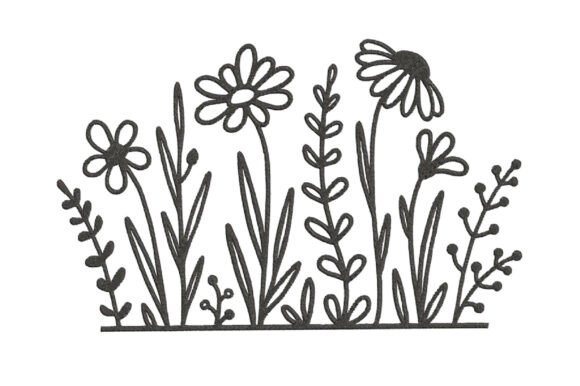
When I first laid eyes on the Wildflower Line Art Embroidery, I was struck by its clean, elegant aesthetic. This isn’t a bold or flashy design—it’s soft, understated, and refined. The minimal line art style suggests a modern, botanical-inspired brand identity that leans toward the artisanal or nature-based market. It’s the kind of embroidery that whispers quality rather than shouting for attention, which makes it ideal for small businesses looking to build a sophisticated yet approachable image.
How Wildflower Line Art Embroidery Performs in Real Business Applications
One of the first things I consider as an embroidery designer is versatility. Can this design adapt across different product types and fabric textures? The answer with Wildflower Line Art Embroidery is a resounding yes.
For embroidered patches, this design offers a lovely balance of detail and simplicity. It’s intricate enough to catch the eye but not so dense that it becomes heavy or stiff. That makes it perfect for sewing onto tote bags, jackets, or even product packaging accents like reusable pouches or gift tags.
In the context of staff uniforms, this embroidery works well as a chest logo or sleeve accent. Because it’s line art, it doesn’t overwhelm the garment, which is especially important for businesses that want to maintain a professional appearance without going overboard on branding. A small, tasteful floral motif can add warmth and personality to aprons or work shirts, particularly in cafes, florists, or boutique studios.
For cap embroidery, I’d recommend using this design on the side or back panel rather than the front. The clean lines translate well to curved surfaces, but the detail in the botanical elements may get lost if scaled too small. It’s better suited for a subtle accent rather than a dominant focal point on headwear.
When it comes to tote bag design or apron embroidery, this design shines. It can be centered on a tote for a minimalist logo look or used as a border element on aprons for a handmade, artisanal feel. It pairs beautifully with natural fibers like linen or organic cotton, reinforcing a brand’s commitment to sustainability or craftsmanship.
Where to Use Wildflower Line Art Embroidery with Care
Like any machine embroidery design, this one has its limitations. The delicate nature of line art means it doesn’t always hold up well at very small sizes. If you’re planning to use it for product labels or tiny patches, test it at scale first. Some of the finer lines may disappear or merge when digitized too small.
Similarly, curved surfaces like baseball caps or rounded tote handles can distort the design slightly. Always test on a sample before committing to a large run. And if you're working with textured fabric or dark uniforms, thread color contrast becomes crucial. A light-colored floral line may get lost on black or navy garments unless you add a subtle fill or outline.
Another point to consider is stitch density. Since this is a clean, minimal style, it’s less prone to thread bunching or fabric puckering. Still, I recommend checking the spacing between lines to ensure clarity, especially on stretchy or loosely woven materials.
Brand Identity and Customer Perception
What sets Wildflower Line Art Embroidery apart is how it supports brand identity. It’s elegant without being stuffy, modern without feeling cold. For small business merch, this design communicates a sense of care and craftsmanship. Whether you're a local bakery, handmade shop, or creative studio, this embroidery can subtly reinforce your brand story.
It also boosts customer trust and product value. Embroidery inherently feels more premium than printed logos, and the botanical theme adds a personal, human touch. This is especially effective for Etsy sellers or craft businesses aiming to elevate their handmade product presentation.
From a visual consistency standpoint, this design integrates easily with other design assets like packaging, social media graphics, or printed tags. It’s a cohesive visual thread that can unify your brand across multiple touchpoints.
Before jumping into production, here are a few key checks I always perform with any **digital embroidery file**:
- Test it in black and white first: to evaluate clarity and contrast.
- Check if it works at small patch size: —some lines may disappear when scaled down.
- Review thread color contrast: for visibility on different fabric types.
- Inspect spacing: between lines to avoid merging or distortion.
- Confirm hoop size: compatibility with your machine setup.
- Test on real fabric: before mass production to ensure stitch quality.
- Use proper stabilizer: to prevent puckering, especially on stretchy materials.
- Create a printable mockup: for client approval before stitching.
- Compare it beside other design assets: to ensure visual harmony.
- Confirm commercial licensing: before using it for business merchandise.
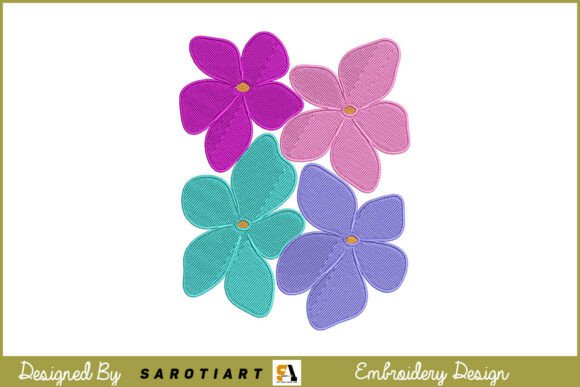
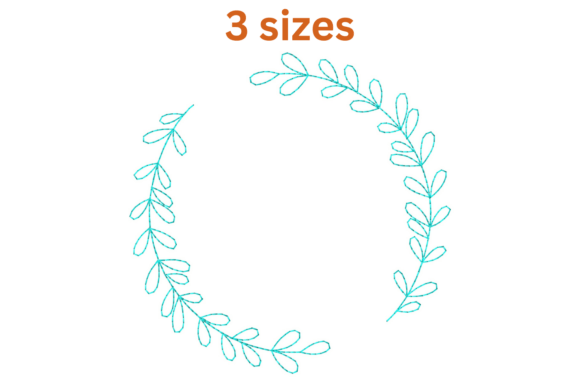
While the product description mentions a beautiful arrangement of delicate flowers, leaves, and botanical elements in a clean minimal style, it doesn’t specify exact stitch count, file format, or license terms. Be sure to confirm these details with the vendor before use, especially if you're producing custom apparel, embroidered patches, or branded product labels at scale.
Final Thoughts on Wildflower Line Art Embroidery
Overall, the Wildflower Line Art Embroidery is a versatile, elegant choice for small businesses and craft entrepreneurs looking to enhance their brand identity with a touch of nature-inspired artistry. Whether used as a chest logo, sleeve accent, cap design, or tote bag mark, this embroidery adds value without overpowering the product.
It’s particularly well-suited for boutique merchandise, customer gifts, event merch, and Etsy branding, where a handmade yet professional look is key. Just remember to test, test, test—especially when working with small sizes, curved surfaces, or textured materials.
As an embroidery designer, I appreciate how this design bridges the gap between decorative art and functional branding. It’s not just a pretty pattern—it’s a commercial embroidery asset that can elevate your small business’s visual presence.