Hunting Dog and Deer Embroidery Design Review
As an experienced embroidery designer preparing for the upcoming weekend craft fair season, I approach every new machine embroidery design with a critical eye. It is not enough for a file to simply stitch out cleanly on my test fabric; it must translate into a viable craft fair product that captures attention from ten feet away and justifies a premium price point. When evaluating the Hunting Dog and Deer Embroidery Design, specifically this buck silhouette with hound outdoor wildlife stitch pattern, I am looking for that perfect intersection of rustic charm and commercial viability. This review breaks down how this specific embroidery file performs in a real-world production environment for handmade market sellers.
First Impressions: Rustic Elegance Meets Market Appeal
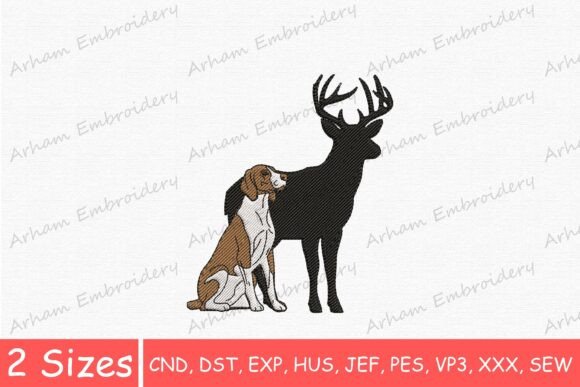
My immediate reaction to the Hunting Dog and Deer Embroidery Design is that it strikes a sophisticated balance between traditional hunting motifs and modern farmhouse aesthetics. Too often, wildlife designs lean heavily into cartoonish caricatures or overly aggressive imagery that limits their audience. However, this buck silhouette with hound composition feels elegant and refined. It reads as "lodge decor" rather than "camouflage gear," which significantly broadens its appeal to female buyers and home decorators who appreciate the outdoors but want something tasteful for their living space.
For an Etsy seller or boutique maker, this visual tone is crucial. The design possesses a nostalgic quality that suggests heritage and craftsmanship. When displayed at a booth, it does not scream for attention with neon threads; instead, it invites the customer to step closer to appreciate the detail. This is the hallmark of a successful handmade product. The interplay between the dog and the deer creates a narrative scene within the hoop, making it feel like a complete piece of art rather than just a logo placement. For those curating a cohesive brand identity around country living or outdoor lifestyle, this design asset anchors the collection perfectly.
Best Product Applications for Craft Fair Success
Determining where to place the Hunting Dog and Deer Embroidery Design is just as important as the stitching itself. Based on the composition and likely stitch density, I have identified several high-potential applications for market sales:
- Tote Bag Design: Canvas totes are a staple at markets. This design works beautifully centered on a natural cream or oatmeal-colored canvas bag. The contrast of dark thread against light fabric makes the silhouette pop, and the size allows the details of the hound and buck to remain distinct even when the bag is slung over a shoulder.
- Tea Towel Embroidery: This is arguably the strongest application. Flour sack towels or linen-blend kitchen textiles provide a smooth surface that honors the intricacy of the wildlife stitch pattern. As a small shop product, these are excellent impulse buys that fit the "country lodge decor" description perfectly.
- Apron Embroidery: For the culinary enthusiast who also loves the outdoors, placing this design on the chest or lower pocket of a denim or canvas apron creates a unique niche item. It differentiates your booth from generic kitchen vendors.
- Embroidered Patch: If you want to maximize profit margins, consider turning this into a standalone patch. Patches allow you to utilize the design repeatedly without committing to expensive base garments. They are perfect add-on items for caps, jackets, or backpacks.
- Pillow Covers: For higher-ticket items, this design serves as a stunning focal point on throw pillows. Using textured fabrics like burlap-look polyester or heavy cotton duck enhances the rustic theme.
Production Practicalities and Booth Display Strategy
When planning batch production for a market, repeatability is key. The Hunting Dog and Deer Embroidery Design appears to be structured in a way that supports efficient manufacturing. Silhouette-based designs generally have fewer color changes than photorealistic scenes, which reduces production time and thread waste. However, as a professional, I always advise checking the specific thread colors and jump stitch sequence before running a full batch. A design that requires excessive trimming will eat into your profits during a busy setup week.
From a display perspective, this design photographs exceptionally well for online listings and printable mockups. The clear lines of the buck and hound translate effectively to digital screens, helping drive pre-show traffic to your booth. In person, the texture of the stitches adds value that photos cannot capture. I recommend displaying at least one sample on a wooden board or slate tile at your market stall to emphasize the tactile nature of the work. This elevates the perceived value of the finished product and reinforces the handmade quality customers are seeking.
Critical Technical Considerations for Clean Stitch-Outs
While the aesthetic potential is high, technical execution determines whether a product sells or ends up in the reject pile. When working with the Hunting Dog and Deer Embroidery Design, keep these practical notes in mind:
- Fabric Texture Matters: While this design is versatile, highly textured fabrics like terry cloth or loose-weave burlap can swallow fine details. If stitching on tea towels or plush fabrics, use a water-soluble topping to keep the stitches crisp and visible.
- Stabilizer Selection: Do not skimp on stabilization. Wildlife silhouettes often contain fill stitches that can cause puckering if the fabric is not adequately supported. For tote bags and aprons, a medium-weight cutaway stabilizer is usually superior to tear-away for long-term durability and preventing distortion after washing.
- Size Integrity: Be cautious about resizing this digital embroidery file too small. Intricate details in the hound’s face or the deer’s antlers may become muddy if reduced below the recommended minimum size. Always verify the smallest viable dimensions before attempting to fit the design onto a cap front or small pouch.
- Thread Contrast: Test your thread palette against your chosen fabric. Low-contrast combinations (e.g., brown thread on tan fabric) look subtle and premium but may disappear in dim indoor market lighting. Ensure there is enough definition for the design to be readable from a distance.
- Hoop Size Verification: Confirm your machine’s maximum hoop size accommodates the full design without re-hooping. Multi-position hooping introduces alignment risks that can ruin a commercial embroidery run. If the design exceeds your hoop, consider splitting the file professionally or opting for a smaller variation.
Designer Notes for Commercial Viability
Before listing any item featuring the Hunting Dog and Deer Embroidery Design for sale, due diligence is non-negotiable. First, confirm the licensing terms included with the embroidery file. Ensure you have the right to sell finished products commercially, especially if you plan to scale beyond local fairs to national online platforms. Second, create a physical mockup. Never rely solely on software simulations. Stitch out the design on the exact fabric you intend to sell to check for registration issues, density problems, or color mismatches.
Finally, consider the story you tell with this design. Customers at craft fairs are buying more than just thread and fabric; they are buying a connection to the outdoors, a memory of hunting season, or a piece of rustic nostalgia. By treating the Hunting Dog and Deer Embroidery Design as a premium artistic element rather than a generic graphic, you justify higher price points and build a loyal customer base. Whether applied to a sturdy market tote or a delicate linen towel, this design has the structural integrity and visual appeal necessary to succeed in the competitive handmade marketplace. Always respect the craft, test thoroughly, and let the quality of your stitch-out speak for itself.