h1Chain Runner Embroidery Design: A Craft Fair Seller’s Perspective/h1
h2First Impressions: Bold, Modern, and Versatile/h2
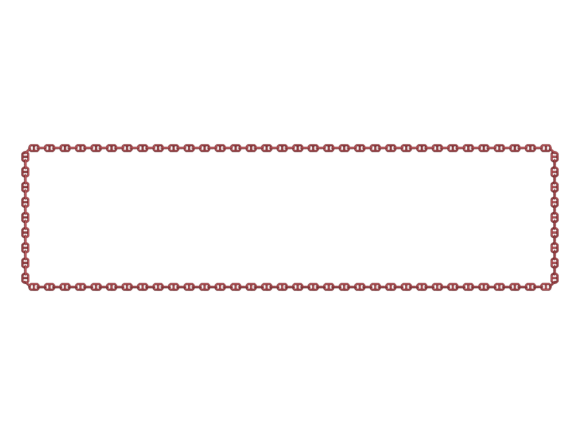
pThe Chain Runner Embroidery Design immediately strikes me as a modern, bold design with clean lines and a dynamic feel. Based on the name alone, I imagine a stylized motif that suggests motion or energy—perfect for adding a contemporary edge to kitchen-themed or general craft fair items. The description tells me this is a digital embroidery file, delivered in ZIP or RAR format, so I know I’ll need to verify hoop size, stitch density, and thread compatibility before production. Since it's categorized under Kitchen, I’ll be testing it primarily on tea towels, aprons, and tote bags, but I can already see how it might work well on patches, pillow covers, and even embroidered caps./p
h2Performance on Craft Fair Products: From Tote Bags to Tea Towels/h2
pChain Runner seems like a design that can pull double duty—either as a small accent or a large focal point. On tote bags and market bags, it could serve as a statement piece near the bottom hem or handle seam. For aprons, placement above the hip or near the chest would make it noticeable without overwhelming the garment. On tea towels, it might work best centered or near the corner, depending on the size and complexity./p
pI also see potential for embroidered patches. If the design includes clear outlines and minimal dense stitching, it could be cut into iron-on patches for resale. Caps might be a bit trickier due to the curved surface, but if the Chain Runner design is streamlined, it could still translate well with the right hoop and stabilizer./p
pFor small fabric pouches and pillow covers, this design could easily become the hero element, especially if the stitch density is balanced and thread colors are vibrant. It's also worth considering for Etsy listings and printable mockups, especially if you're targeting a modern farmhouse or minimalist aesthetic./p
h2Practical Selling & Production Points: Batch-Friendly and Booth-Ready/h2
pOne of the first things I’ll look for as an embroidery business owner is how quickly the Chain Runner Embroidery Design can be understood at a glance. If it reads clearly from a few feet away, it’s a win for booth displays. If it maintains clarity when resized, it becomes versatile for different products. I’ll want to test it in both large and small formats to see how it holds up./p
pBatch production is always a concern when launching new handmade products. If the design is too dense or has tiny details, it might slow down stitching or cause thread breaks. That would increase production time and lower profit margins. I’ll also check how well it photographs for online listings—good lighting and proper thread contrast can make a big difference in perceived quality./p
pAnother key point: repeat value. Does this design feel like something customers would want across multiple products—like a matching apron and tea towel set? If yes, it’s a strong contender for inclusion in curated bundles or gift sets./p
h2Careful-Use Notes: Watch for Stitch Density and Fabric Texture/h2
pBefore diving into full-scale production, I’ll want to test the Chain Runner Embroidery Design on scrap fabric. Especially important are textured towels, thick apron materials, and dark fabrics—where contrast and clarity can get lost. Dense stitch areas can pucker thinner materials, and tiny lettering or fine lines may not translate well on curved or uneven surfaces like caps./p
pIf the design contains small lettering or intricate linework, it may need to be adjusted for smaller sizes. I’ll also pay attention to how the thread colors interact with different fabric tones. A bold black design might look sharp on white linen but muddy on a beige tea towel./p
h2Visual Appeal and Booth Impact: Standing Out in a Crowded Market/h2
pAt a craft fair, visual appeal is everything. Chain Runner needs to catch the eye from across the room and invite closer inspection. If it reads as premium, modern, or decorative, it will elevate the perceived value of the finished product. This is especially important for handmade shop owners and Etsy sellers who want to maintain brand consistency and high-quality standards./p
pI’m also thinking about booth display strength. If I embroider a few samples—like a tote bag, apron, and pillow cover with Chain Runner—it could create a cohesive look that draws attention. Including a mix of product types (from kitchen to general home décor) helps show versatility, which is attractive to buyers looking for coordinated handmade gifts./p
h2Designer Notes: Test, Verify, and Confirm Before Selling/h2
pAs with any digital embroidery file, I recommend the following steps before listing Chain Runner Embroidery Design in your shop:/p
ul
liConfirm commercial licensing terms, especially if selling finished products/li
/ul
pSince this is a digital product with no returns or refunds, it’s crucial to inspect the files thoroughly before stitching. If hoop size, stitch count, or licensing details aren’t included in the ZIP or RAR package, reach out to the seller for clarification./p
h2Final Thoughts: Worth the Investment for Craft Fair Sellers/h2
pOverall, the Chain Runner Embroidery Design has the potential to be a strong performer for craft fair sellers, Etsy shop owners, and boutique makers. Its modern aesthetic and likely adaptability across product types make it a smart addition to any handmade lineup. Just be sure to test thoroughly, photograph thoughtfully, and present it as part of a cohesive brand story./p
pIf you're looking to elevate your booth display with a design that feels both fresh and functional, Chain Runner might be just the right machine embroidery design to help you stand out./p